






A Guide to Watch Movements Before Buying a Mechanical Watch

Mechanical watches exemplify the highest level of engineering, craftsmanship, and beauty. As stunning as they are, every prospective buyer has to understand one important aspect – watch movements. If you are new to celebrating the world of mechanical watches, or even if you want to add to your collection, it is your intricate understanding of the movements that will make sure your purchase caters to your expectations, requirements, and most importantly, funds.
This guide will assist you with the types of watch movements, their types, features of importance, and how all of the above aids in making a reasonable purchase.
What Are Mechanical Watch Movements?
In short, a mechanical watch movement is the batteryless engine of a traditional wristwatch. Unlike quartz watches, which use an electronic circuit and a battery, mechanical watches rely on a more traditional approach: a sophisticated network of gears, springs, and levers combines to serve as the heart of every Mechanical watch enabling it to function perfectly.
How Does a Mechanical Movement Work?

A mechanical watch has a tightly wound mainspring at its center that stores energy. The mainspring, in the form of a spring, possesses energy as it tightens and when it loosens, the energy is released. These energy releases are directed through the gear train and controlled by the balance wheel and escapement. The watch hands move continuously and in a fluid motion thanks to this accurate system.
Types of Mechanical Watch Movements
Knowing the types of movements available is important when purchasing a mechanical watch. Mechanical movements are categorized into two types:
1. Manual-Wind Movements
Known as hand-wound movements, these require the wearer to wind the crown regularly for the watch to run. The mainspring stores energy, which is released as the power is driven to the watch hands.
Pros:
- More classic and traditional
- Provides a personal feel due to its interactivity
- The minimalistic design makes the watch thinner and more elegant
Cons:
- Requires winding regularly (which is usually daily)
- Inconvenient for people with a hectic lifestyle
2. Automatic (Self-Winding) Movements
Automatic movements use a rotor, a semi-circular metal weight that moves with the wearer's wrist motion. This movement winds the mainspring automatically, reducing the need for manual winding.
Pros:
- No requirement for daily winding
- Great for daily use
- Still retains the usual mechanical craftsmanship
Cons:
- A little bit thicker than manual movements
- The watch needs regular wearing or a winder to keep working
Why Understanding Movements Matters
1. Craftsmanship and Heritage
Purchasing a mechanical watch is more than investing in a timepiece; it is a recognition of centuries of craftsmanship in the field of horology. Appreciating the type of movement a watch uses, adds value to the user’s artistry appreciation.
2. Functionality and Personal Preferences
Do you plan on wearing the watch every day, or just on special occasions? Perhaps, you enjoy winding or you would rather have a hassle-free watch. Understanding the different methods of movement can assist you in selecting a watch that fits your daily life.
3. Long-Term Investment
For some people, especially those who buy from reputable, high-end brands, watches are excellent long-term investment pieces. A timepiece with an in-house movement is more valuable because, with increased monetary worth, it also adds satisfaction to the owner.
Factors to Consider Before Buying a Mechanical Watch
Understanding the language of horology can make you a more informed buyer. Here are some essential terms to know:
1. Power Reserve
The length of time a watch will run before it needs to be rewound or have wrist movement is referred to as its power reserve. Both manual and automatic watches can have power reserves of 40 to 48 hours, but higher-quality models can reserve power for up to 8 days.
2. Jewel Bearings
Jewels set in a mechanical watch movement serve as friction bearings that allow the watch’s gears to pivot within the jewel. A greater number of jewels usually signifies an increased complexity in the movement.
3. Features
In addition to displaying time, mechanical watches offer various features, such as, but not limited to: date and chronograph functions, day and night sub-dials, and luxurious casing with comfortable straps. It is key to find the right features that fit your lifestyle to ensure maximum functionality with minimal loss of style.
4. Design and finishing
The design and finishing of a mechanical watch reflect its craftsmanship and durability. A well-crafted watch features a balanced dial, high-quality materials, and a refined case finish, ensuring both style and longevity.
5. Durability and maintenance
A well-crafted, durable mechanical watch tells more than just time; it also speaks of the skill put into its design. A well-made watch boasts a balanced face, premium materials, and craftsmanship that's elegantly refined.
How to Choose the Best Mechanical Watch for You
1. Define Your Purpose
Are you looking for a dress watch, a casual everyday piece, or something to accompany you on adventures? Your use case will determine whether you opt for a manual or automatic movement.
2. Match Your Budget
Mechanical watches range from surprisingly affordable to sky-high luxury. Entry-level models from brands like Seiko or Tissot are accessible, while Patek Philippe or Audemars Piguet cater to premium buyers.
3. Check the Movement Details
Always research the movement caliber of the watch you're purchasing. Renowned in-house movements are generally more desirable than outsourced ones.
Start Your Journey into Horology Today
Investing in a mechanical watch is much more than a financial decision—it’s an entry into a world where craftsmanship meets timeless style. Knowing about watch movements isn’t just about understanding how your timepiece works; it’s about appreciating the artistry and precision that goes into every second it ticks.
Whether you prefer the tradition of manual winding or the convenience of automatic watches, there’s a perfect mechanical timepiece out there waiting for you. Now that you've got the knowledge, you're ready to choose wisely and wear your watch with confidence.
Looking for your first mechanical watch? Start exploring reputable watch dealers and learn more about differentiating movements by trying out some trusted horology forums. Here’s to finding the best mechanical watches that fit your personality and lifestyle!
Recommended Topics
Latest Watches
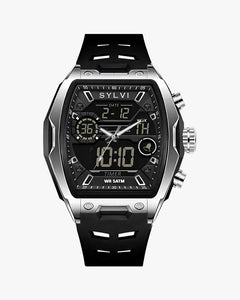
Vanguard Black Silver Silicone
Rs. 1,689.00
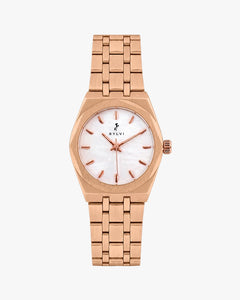
Sia White Rosegold Steel
Rs. 2,329.00
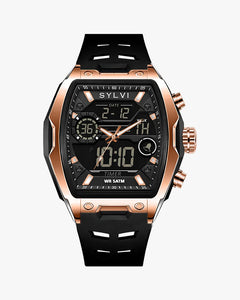
Vanguard Black Rosegold Silicone
Rs. 1,689.00
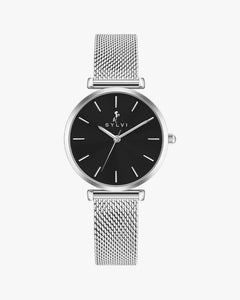
Serene Black Silver Mesh
Rs. 1,699.00


Leave a comment