






Beyond the Dial: Watch Parts, Types and Movements Guide

Most people can tell time on a watch without knowing a single part of it by name. That's fine, until you're standing in front of a wall of options — analog, automatic, digital, quartz — trying to figure out why one watch costs three times another that looks almost identical.
The difference usually isn't the logo. It's what's happening under the glass.
This guide breaks down what a watch is actually made of, the main categories you'll come across while shopping, and the movement technology that decides how it performs day to day. By the end, you'll know exactly what to check before you buy — whether you're browsing watches for men for a work upgrade, looking at watches for boys as a first serious piece, or picking out a women's watch as a gift.
The Anatomy of a Watch: What's Actually Under the Glass
Most traditional wristwatches are built around a familiar set of components, although their design and functions can vary. Once you know what each part does, comparing two watches side by side gets a lot easier.
Case :- The case is the housing that holds everything together — the movement, the dial, the crystal. Watch cases are made from materials such as stainless steel, alloy, resin, titanium, ceramic, or precious metals, depending on the watch's purpose and price. Case material affects weight, scratch resistance, and how the watch ages over years of wear.
Dial :- The dial is the face — the part you actually read. Hour markers, brand text, sub-dials for chronograph functions, date windows, all of it sits on the dial. A cluttered dial looks busy in photos and unreadable at a glance. A clean one does its job in under a second.
Crystal :- The crystal is the clear cover protecting the dial. Three materials dominate the market: acrylic (light, cheap to replace, scratches easily), mineral glass (a solid middle ground — decent scratch resistance at a reasonable cost), and sapphire crystal (extremely scratch-resistant, more often found on higher-end or select premium models). Crystal material varies by watch, so it's always worth checking the product specifications rather than assuming.
Crown :- The small knob on the side of the case. The crown is primarily used to set the time and date. Chronograph watches normally use separate pushers to operate stopwatch functions — the crown alone doesn't run them.
Bezel :- The ring around the dial. On dive and sport watches, it often rotates and doubles as a basic timer. On dress watches, it's usually fixed and purely decorative.
Hands and Hour Markers :- The hour, minute, and second hands, plus the markers around the dial that anchor them. Legibility here matters more than people think — a watch that's hard to read at a glance defeats the point of wearing one.
Strap :- Leather, stainless steel, silicone, or mesh — the strap changes the entire character of a watch. A steel bracelet can create a polished or sporty appearance, while silicone usually gives the watch a more casual, activity-focused character. This is also the part you'll replace most often, which is why swappable strap systems have become popular on newer watch designs.
Movement :- The engine. Everything the watch does — keeping time, running a chronograph, powering the date function — comes from the movement inside the case. We'll go deeper on this below: the movement is one of the most important factors affecting a watch's accuracy, maintenance, and everyday performance.
Lugs :- The small extensions on either side of the case where the strap attaches. Lug width determines which replacement straps will actually fit — worth checking before you buy a spare.

Common Watch Categories and How They Differ
Watches can be classified by their display, movement, or functions. This means one watch can be analog, automatic, and chronograph-equipped at the same time — these aren't competing labels, they're answering different questions about the same watch.
By display
Analog watches use the classic format of hour and minute hands sweeping across a dial. Analog remains the default choice for anyone who wants a watch that reads as timeless rather than trendy — the safest pick for office wear, formal events, and gifting. Browse Sylvi's analog watches to see the range.
Digital watches show time as numbers, usually with extra functions built in — stopwatch, alarm, backlight. Digital watches tend to be more casual and sport-oriented, and they're a common entry point for anyone who wants function over form.
By movement
Automatic watches run on a movement powered mainly by wrist motion, although some models can also be wound manually. There's something genuinely satisfying about a mechanism that runs largely without a battery. See Sylvi's automatic watches collection for models built around this movement type. We'll cover movements in more detail below.
By function
Chronograph watches have a built-in stopwatch function, usually shown through extra sub-dials and operated via dedicated pushers. Chronographs read more technical and detailed on the wrist, which is why they're popular with buyers who want a watch that looks like it does more — because it does. Explore Sylvi's chronograph watches collection.
Watch Movements Explained: Quartz, Automatic and Mechanical
This is the part most people skip when they're watch shopping, and it's the part that matters most.
Quartz movement :- Battery-powered, driven by a vibrating quartz crystal that regulates timekeeping with a high level of accuracy. Many quartz watches vary by only a few seconds per month, although exact accuracy depends on the movement.
Quartz watches generally require limited maintenance beyond battery replacement and routine checks of seals, straps, and overall condition, and they cost less to produce than mechanical alternatives — which is why most of the accurate, well-built watches in the accessible price range run on quartz.
Japanese quartz movements in particular are known for consistency, which is why they've become the standard across a large share of the mid-range watch market.
Automatic (self-winding) movement :- Powered mainly by wrist motion rather than a battery — a rotor inside the case spins as you move and winds the mainspring, though some automatic models can also be wound by hand when needed.
Automatic watches are typically slightly less accurate than quartz, with accuracy varying by movement, but they're mechanically fascinating. Some automatic watches include an exhibition case back, allowing the wearer to see part of the movement in action — a feature many buyers look for, though not every automatic watch has a transparent case back.
Mechanical (hand-wound) movement :- The oldest format. No battery, no automatic winding — you wind it yourself, usually daily, with accuracy that varies by movement. Fully manual mechanical watches are less common now outside of dedicated horology circles, mostly because automatic movements deliver similar mechanical appeal with less daily upkeep.
Choosing a Watch by Who's Wearing It
Watches for men :- Men's watches generally run larger — 38mm to 44mm case sizes are the norm — with a wide range of dial styles from minimal to heavily detailed chronographs. For everyday office wear, a clean analog watch on a leather or steel strap covers almost every situation.
For something with more personality, automatic watches for men have become genuinely popular, since the visible mechanical movement gives the watch a story that a battery-powered piece doesn't have.
First-time buyers, including anyone browsing watches for boys as an early serious piece, may prefer a durable quartz analog watch because it offers straightforward timekeeping and minimal maintenance — with room to move on to a more detailed automatic later. Explore Sylvi's watches for men.
Women's watches :- Women's watches trend smaller in case size but cover just as much stylistic range, from minimal dress pieces to statement designs with metallic straps. A women's analog watch with a slim case and a mesh or leather strap remains the most versatile option — it moves from a desk to a dinner without looking out of place.
For gifting, branded watches for girls with clean, uncluttered dials tend to age better in someone's rotation than anything too trend-driven, since the appeal doesn't fade once the trend does. Browse Sylvi watches for women.
Either way, the buying logic is the same: check the movement, check the crystal material, check the strap — then worry about how it looks in photos.
What Influences the Price of a Watch?
Established luxury brands price in movement development, finishing, materials, heritage, production scale, distribution, and after-sales service — all genuinely expensive to build and maintain over decades. Accessible D2C watch brands, including Sylvi, focus instead on dependable specifications and thoughtful design at a more approachable price.
Sylvi offers watches powered by dependable quartz and automatic movements, with the movement type and crystal material — mineral glass or sapphire, depending on the model — listed on each product page.
Sylvi has been designing and building watches out of Surat since 2015, running a Prototype Program that tests designs with real customers before production, and a Certified Imperfect line that sells fully functional watches with minor cosmetic flaws instead of quietly discarding them.
Sylvi watches include warranty coverage subject to the terms and registration requirements in the warranty policy, and each product page lists the specific movement, crystal, and dimensions for that model.

Buying Online vs. Walking Into a Watch Shop
If you'd rather try a watch on first, searching "watch shop near me" still makes sense — case size and strap comfort are hard to judge from a photo. But most watch shopping today starts online regardless of where the purchase happens: checking specs, comparing movements, reading reviews.
Either way, the checklist is the same: confirm the movement type, the crystal material, the strap and case dimensions, and the warranty terms before you buy. A brand that's specific about all four is a brand that's confident in what it's selling. For care and upkeep once you've made your choice, see Sylvi's watch-care guide.
Frequently Asked Questions
1. What is the difference between analog and digital watches?
Analog watches use moving hands on a dial to show time. Digital watches display time as numbers, usually with added functions like a stopwatch, alarm, or backlight built in.
2. What does "automatic watch" mean?
An automatic watch's movement is powered mainly by wrist motion. A rotor inside the case spins as you move, winding the mainspring — though some automatic models can also be wound manually.
3. Is a quartz watch accurate?
Generally, yes. Quartz movements tend to be more accurate than automatic or mechanical ones, with many varying by only a few seconds per month, though exact accuracy depends on the specific movement.
4. What's the difference between mineral glass and sapphire crystal?
Mineral glass offers decent scratch resistance at a lower cost and is common across the accessible-to-mid price range. Sapphire crystal is significantly more scratch-resistant but costs more to produce, so it's more often found on higher-end or select premium models.
5. Do automatic watches need to be worn every day?
Not necessarily every day, but regularly. An automatic watch eventually stops when left unworn, and how long it keeps running depends on the movement's stated power reserve. A watch winder helps if you rotate between multiple automatic pieces.
6. What should I look for in a watch for daily wear?
A reliable movement (quartz is the easiest to maintain), a crystal that can handle daily knocks (mineral glass is a solid baseline), and a strap material suited to your routine — leather for office wear, silicone or steel for anything more active.
7. Are automatic watches better than quartz watches?
"Better" depends on what you want. Quartz wins on accuracy, cost, and low maintenance. Automatic wins on mechanical craftsmanship and the appeal of a movement that runs largely without a battery. Neither is objectively superior — they solve different priorities.
Recommended Topics
Latest Watches
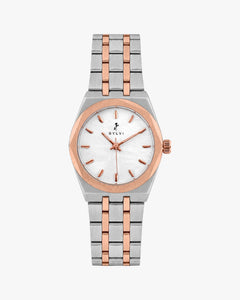
Sia White Rosegold Silver Steel
Rs. 2,329.00
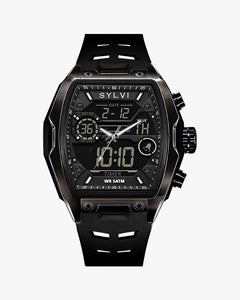
Vanguard All Black Silicone
Rs. 1,689.00
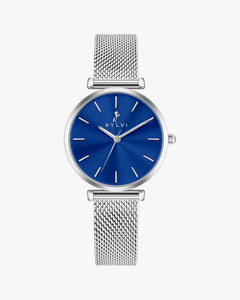
Serene Lavish Blue Silver Mesh
Rs. 1,699.00
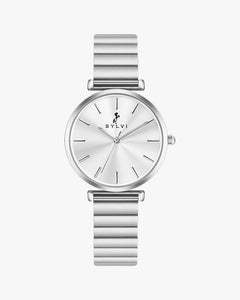
Serene Silver Link
Rs. 1,679.00

