






Analog vs Digital Watches: Complete Guide

Digital vs Analog Watches: Ultimate Guide.
Watches have been much more than timepieces. They have turned into fashions, historical relics, and even art. In the case of watches, two main types that people tend to argue about are analog and digital. They are both desirable, and you have to determine which one best fits your needs and preferences depending on several factors. Whether you are buying your first watch or planning to buy another to supplement your own, understanding the differences between analog and digital watches will help you make a sound decision.
In this guide, we shall clarify the differences between analog and digital watches, delve into the features of each, and examine why either may be more suitable for you than the other. We will also address some of the most common questions about these two types of watches, including details on specific models readily available, such as the Urbane Moon Green Silver and the Bolt Silver Black.
What is an Analog Watch?
The traditional type of wristwatch is an analog watch. In analog watches, time is shown by the rotation of the minute hand, hour hand, and, occasionally, the second hand. An analog watch typically has hour markings (numbers or lines) on its face, along with a mechanical or quartz movement.
Key Features of Analog Watches:
Classic Design: The analog watches have an elegant and classical look. They are usually associated with fame and elegance, making them perfect for formal events like business meetings, parties, and weddings.
Quartz or Mechanical Movement: Two major types of analog watches are determined by the mode through which their movement is:
Quartz Movement: This is the most popular type of movement in modern analog watches, a battery-powered mechanism. Quartz watches have been identified as accurate and reliable.
Mechanical Movement: These are watches that do not use a battery but are driven by a spring. They require winding by hand and are less modern and often more valuable.
Durability and Craftsmanship: Most analog watches feature stainless steel straps and water resistance; e.g., the Urbane Moon Green Silver has 3 ATM water resistance. This makes them suitable for daily wear, including swimming in shallow water.
Date Display and Other Features: Analog watches may have extra features such as date displays and other complicated movements (e.g., chronographs) so the wearer can easily check the day of the week and date.
Classic Appeal: Analog watches are often regarded as timeless accessories, suitable for people who are fond of classic design and beauty. You can go with a luxury or an affordable product, but in any case, you can have an elegance that can be worn on most occasions with the analog watches.
Best Analog Watch Example: Urbane Moon Green Silver

Design: Urbane Moon Green Silver is shaped like a squircle, with both round and square elements, giving this product a distinctive modern look.
Movement: It runs on a quartz movement, ensuring accurate timekeeping.
Water Resistance: 3 ATM resistance, ideal for light splashes and day-to-day activities.
Strap: A Durable stainless steel strap adds a premium feel to this watch.
Other Additional Features: Date display and a stylish green dial for easy readability.
Price range for analog watches:
Budget Models: From ₹1,000 to ₹3,000.
Luxury Models: A Premium luxury analog watch would cost about 20,000 or more, depending on the brand, materials, and workmanship.
What is a Digital Watch?
A watch is a digital watch that displays time numerically (typically in LCD or LED). Digital watches, unlike analog watches, usually have many additional functions and features, making them more versatile in use.
Key Features of Digital Watches:
Digital Display: Digital watches feature an easily readable time display. The time is displayed as numbers, making them better suited to people who prefer a more immediate, readable format.
Multi Functionals: Multifunctionality is also one of the most remarkable characteristics of digital watches. Digital watches usually have extra features such as stopwatches, alarms, world time, and backlighting. A good example of this is the Bolt Silver Black, a digital watch with numerous alarms, world time, and a stopwatch, available to athletes and travelers.
Water Resistance: As with analog watches, most digital watches are also water-resistant, such as the Bolt Silver Black, which has 3 ATM water resistance. This makes them convenient for use in both informal and recreational contexts.
Silicone Straps: Digital watches, such as the Bolt Silver Black, also have silicone straps that are very comfortable, lightweight, and durable, making them ideal for sports or outdoor activities.
Synchronized Time and Multiple Alarms: Digital watches are popular for their multiple functions, such as multiple alarms, synchronized digital time, and world time, making them much more diverse than analogs.
Best Digital Watch Example: Bolt Silver Black

Design: The Bolt Silver Black features a digital display with multiple features, including world time and alarms.
Movement: It is driven by a digital movement, ideal for the rapid time-tracking scenario.
Water Resistance: 3 ATM water resistance against daily and shallow-water activities.
Strap: Soft and strong silicone strap.
Added Functionality: It has many alarms, world time, and a stopwatch, which is why it is a good watch among travelers, sportspeople, and busy people.
Price Range for Digital Watches:
Budget Models: Digital watches are available for ₹1,000 and ₹2,000.
Premium Models: Digital watches are of high quality in terms of features and their cost can be between 3000 and 8000.
Analog Vs Digital Watches: Key Differences
Now that we have explored both analog and digital watches, let’s dive into the key differences that set them apart:
| Feature | Analog Watches | Digital Watches |
| Display | Time is shown using hands on a rotating dial. | Time shown in numerical digits on an LCD/LED screen. |
| Movement | Mechanical or Quartz movement. | Powered by quartz or digital mechanisms. |
| Functionality | Basic timekeeping, date display, and limited complications. | Multifunctional with alarms, stopwatches, world time, etc. |
| Design | Classic, elegant, and timeless. |
Modern, sleek, and often more tech-oriented. |
| Maintenance | Mechanical watches require winding; quartz watches need battery replacement. |
Requires battery replacement, especially with more functions. |
| Water Resistance |
Available in both analog and digital watches. |
Available in both analog and digital watches. |
| Price | Varies greatly from budget to luxury models. |
Often more affordable, but premium models can also be expensive. |
Which Should You Choose: Analog or Digital?
The decision between an analog and a digital watch depends on your preferences and lifestyle choices.
Analog Watches:
- A classic, classy look is what you want in an analog watch.
- Perfect in formal environments, dress occasions, and traditionalists.
- It is also better when one wants nothing more from the watch than a straightforward, minimalist timepiece that includes few features to distract the mind.
Digital Watches:
- Select a digital watch in case you require versatility and functionality.
- Best suited to sportspersons, travellers, and active people who value features such as stopwatches, alarms, and world time.
- Good in cases where individuals like easy reading with no extra translation required of revolving hands.
Conclusion
Regarding the issues with analog and digital watches, both have their advantages and drawbacks. Analog watches are timeless and offer a classic, simple, and elegant design, whereas digital watches are much more practical, offering advanced features desirable to active, tech-savvy individuals. To wear the Urbane Moon Green Silver on your wrist is a luxury that provides a strong style, or you can choose the Bolt Silver Black digital watch, which is more practical and efficient with its multiple functions.
Whichever style you prefer, you can look forward to the exquisite, convenient timekeeping experience that both types of watches offer on your wrist.
FAQs: About Analog Vs Digital Watches
1. Which watch is more accurate, analog or digital?
Digital watches are usually more precise than analog watches, particularly quartz models
2. Do the digital watches have analog features?
Yes, most digital watches now have analog dials as well as digital ones to satisfy both needs.
3. Are digital watches suitable for sports?
Digital watches are very appropriate for sports since they offer the ability to perform various activities, such as stopwatches and alarm clocks, and they have water-resistant covers.
4. Are analog watches battery-powered?
Analog watches can be mechanical (no battery) or quartz (battery required).
5. Are the digital watches more affordable?
Yes, digital watches tend to be more affordable, especially compared to high-end luxury analog models.
Recommended Topics
Latest Watches
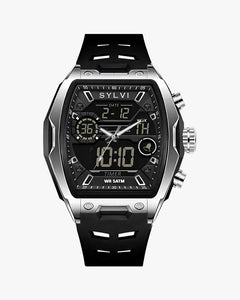
Vanguard Black Silver Silicone
Rs. 1,689.00
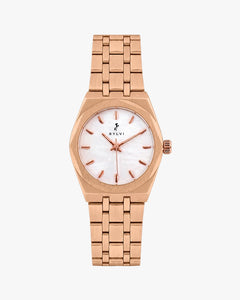
Sia White Rosegold Steel
Rs. 2,329.00
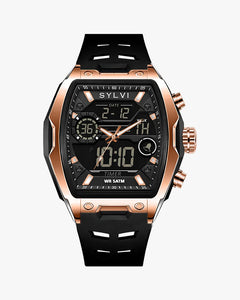
Vanguard Black Rosegold Silicone
Rs. 1,689.00
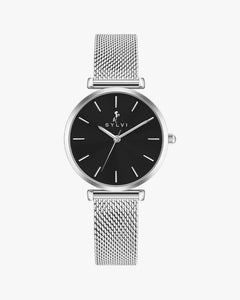
Serene Black Silver Mesh
Rs. 1,699.00

