






5 Common Mistakes That Damage Your Water-Resistant Watch

Most watch owners don't realize their water-resistant watch is failing until it's too late. A "water-resistant" rating isn't a permanent stamp it's a starting point that depends entirely on how the watch is treated every single day.
Here's the truth: most water damage doesn't happen because someone went swimming with the wrong watch. It happens through small, repeated habits that quietly wear down seals for months before anyone notices a problem.
Quick context: ATM ratings (3 ATM, 5 ATM, 10 ATM) describe a tested tolerance under controlled lab conditions not a lifetime guarantee. The rubber seals behind that rating compress, dry out, and lose shape over years of normal wear, heat exposure, and the occasional knock or drop. By the time water actually gets in, the seal has usually been weakening for months already.
Every Sylvi watch carries a 3 ATM water-resistance standard and a 1-year warranty but even that has limits. These five habits are the ones most likely to push past them.
Mistake 1: Treating "Water-Resistant" as "Waterproof"
Water resistance is a rated tolerance, not a guarantee. A watch rated 3 ATM can handle splashes, light rain, and handwashing it isn't built for swimming, diving, or sitting in a hot bath.
This applies whether you're wearing a men's analog watch, a digital sports watch, or anything in between. The rating tells you what the seals are designed to handle under everyday conditions not what they can survive under sustained pressure.
The confusion usually comes from marketing language. "Water-resistant" and "waterproof" get used interchangeably in casual conversation, but only one is technically accurate. Nothing is fully waterproof forever, because seals are a wearable, gradually-degrading part not a permanent barrier.
The practical rule: if you wouldn't wear a leather belt into a swimming pool, treat a 3 ATM watch the same way.
Mistake 2: Using the Crown or Pushers While Wet
This is the single biggest cause of avoidable water damage and also the easiest to fix once you know about it.
Adjusting the time, setting the date, or pressing a chronograph button while the watch is wet even slightly damp from sweat or rain can let water past the crown or pusher seal and straight into the case.
This matters most on a men's automatic watch or mechanical watch with multiple pushers and a more complex case structure. But it applies just as much to a simple analog watch for men with a basic pull-out crown.
Here's what actually happens: when the crown is pulled out, the seal around it stops doing its job that part of the case is briefly open. Water sitting on the watch surface or on your fingers can travel along that exposed thread and straight into the movement. It doesn't take submersion. A few drops in the wrong place, at the wrong moment, is enough.
The fix: towel-dry your wrist and watch completely not just a shake-off before touching the crown or any button. After rain or a workout, wait until the watch is fully dry before making adjustments.

Mistake 3: Hot Showers, Saunas, and Sudden Temperature Changes
Rubber seals expand and contract with temperature just like any material but at a different rate than the metal case around them. Hot water and shower steam cause rubber to expand faster than the case. For a moment, the seal's grip loosens slightly.
It usually returns to shape once things cool down. But repeat this daily, and the seal gradually loses its ability to fully recompress.
This applies whether you're wearing a men's wrist watch with a leather strap (where heat also damages the strap material itself) or a rugged digital sports model. Heat is, in many ways, harder on long-term seal health than water exposure alone which is why even higher-rated watches still carry warnings against hot showers and saunas.
In Indian conditions specifically, this compounds with humidity. A watch that moves from an air-conditioned room into a hot, humid bathroom multiple times a day puts its seals through far more temperature cycling than one worn in a drier, more stable climate. One more reason this habit matters more here than the instruction manual suggests.
Mistake 4: Skipping the Rinse After Sweat, Pool, or Seawater Exposure
Chlorine and salt don't just sit on the case surface they work into the small gaps around the seals and dry into a residue that corrodes and stiffens the rubber over time. Sweat behaves similarly, though more slowly, due to its salt content.
This is especially relevant for gold or silver-finish watches for men, where dried residue can also dull or discolor the plating on top of whatever it's doing to the seals underneath. A watch that looks slightly tarnished around the case back or lugs is often showing the same neglect that's affecting its water resistance.
The fix: a quick rinse under a tap (without touching the crown or any buttons) and a wipe-down with a dry, soft cloth after a workout, swim, or beach day. This takes under thirty seconds and is the single highest-value habit on this list relative to the effort involved.
Mistake 5: Ignoring Early Warning Signs
Fogging under the glass. A crown that feels looser than it used to. A watch that's been opened once before for a battery change. These are all small signals that the seal system has already started to weaken.
Most people notice one of these things, assume it's nothing, and keep wearing the watch normally.
By the time water visibly gets in a foggy dial that won't clear, or moisture pooling under the glass the seal has usually been compromised for months. The watch was technically "still working," right up until it wasn't.
The fix: treat any of these signs as a reason to get the seals checked, not something to wait out. A pressure test is quick, inexpensive relative to repairing water damage to a movement, and non-invasive — the watch doesn't need to be opened for the test itself.
Does the Type of Watch Change How Much This Matters?
Not really — the underlying seal system works the same way across categories. Whether it's watches for men, watches for women, or watches for boys and girls, a branded men's watch or a branded women's watch, the five mistakes above apply equally. A rubber gasket doesn't know or care what's printed on the dial.
What changes is the cost of getting it wrong. An everyday men's watch and one of the most expensive watches from any international maker both rely on the same basic rubber-and-metal seal system. Price doesn't make a gasket more resistant to hot water, salt, or temperature swings — it just makes the consequences of ignoring these five habits more expensive to fix.

A Quick Word on Sylvi Watches
Whether you're choosing from our best watches for men, men's luxury watches, or a straightforward analog watch for daily wear, every Sylvi watch ships with the same 3 ATM standard and 1-year warranty as its baseline not an upgrade, not an add-on.
The habits in this guide aren't specific to one model. They're the same five things worth avoiding no matter which Sylvi watch you've chosen, or which watch brand for men you've shopped from before.
If you're new to caring for a water-resistant watch, the good news is this: none of these habits require special tools or routines. Just a bit of awareness about when not to touch the crown, and thirty seconds with a dry cloth after the watch has been somewhere wet.
Explore Sylvi's full collection of water-resistant watches for men, built with a 3 ATM standard and backed by a 1-year warranty.
FAQ
Can I wear my water-resistant watch in the shower?
Brief exposure to running water is usually fine for a 3 ATM watch, but hot showers and steam accelerate seal wear over time. It's better to take it off, especially for daily showers.
Is it safe to swim with a 3 ATM watch?
No. 3 ATM covers splashes, rain, and handwashing — not sustained submersion or swimming. If swimming is part of your routine, look for a watch with a higher ATM rating designed for that use.
What should I do if my watch gets fogged up after getting wet?
If the fog clears within a few minutes, it's likely just a temperature change and nothing to worry about. If it lingers or keeps returning, get the seals checked before wearing the watch near water again.
Does using the crown underwater really cause that much damage?
Yes — it's one of the most common causes of water damage precisely because it seems harmless. Even a few seconds with the crown pulled out while wet can let moisture in, and the effects often aren't visible until much later.
Are luxury watches more resistant to these mistakes?
Not inherently. Whether it's a luxury timepiece for men, a women's designer watch, or any other branded watch, the seal system works the same way — good habits matter more than the price tag.
Does Sylvi's warranty cover water damage from these mistakes?
The 1-year warranty covers manufacturing faults, including seal issues that arise under normal use. Damage from situations the watch wasn't rated for — like swimming with a 3 ATM watch, or repeated hot showers — falls outside that cover, which is exactly why these habits matter.
How often should I get my watch's water resistance checked?
For a watch worn daily, a pressure test every 12–18 months is a good baseline — sooner if you notice any of the warning signs in Mistake 5, or before monsoon season if you're in a humid city.
Recommended Topics
Latest Watches
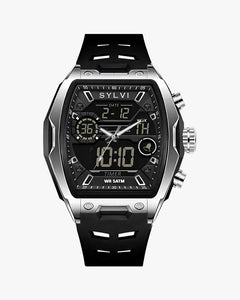
Vanguard Black Silver Silicone
Rs. 1,689.00
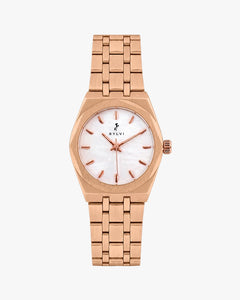
Sia White Rosegold Steel
Rs. 2,329.00
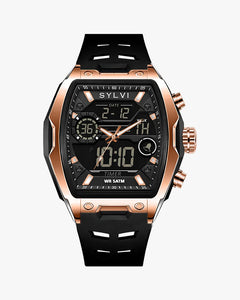
Vanguard Black Rosegold Silicone
Rs. 1,689.00
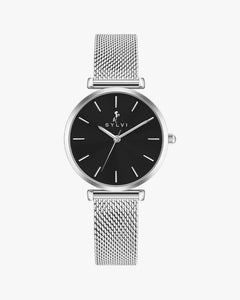
Serene Black Silver Mesh
Rs. 1,699.00

