






Understanding Watch Water Resistance: Myths vs. Reality

Understanding water resistance in watches is crucial to prevent damage and ensure longevity. We're dedicated to demystifying the myths surrounding water resistance and helping you make informed choices about your timepiece's care.
Water resistance isn't just a feature; it's a vital aspect of watch durability. Let's dive into the nuances of water resistance ratings and debunk common misconceptions, ensuring your Sylvi watch remains a reliable companion in any environment.
Watch Water Resistance Myths vs. Reality
Myth 1: All Water-Resistant Watches Are Equal
Myth: Any watch labelled as water-resistant can be used for swimming, diving, or water sports without concern.
Reality: Water resistance ratings vary significantly. A watch rated for 30 meters may not be suitable for swimming, while those rated for 200 meters are generally suitable for diving.
Myth 2: Water Resistance Ratings are Different for All
Myth: A water resistance rating of 50 meters on one watch is different from 50 meters on another watch.
Reality: The water resistance ratings, such as 50 meters, are standardized across the watch industry. This means that a 50-meter rating on one watch is equivalent to the same rating on another watch. The ratings are based on standardized testing methods, ensuring consistency and reliability.
However, it's important to note that the ratings are measured under static conditions, and actual resistance can vary depending on usage conditions, such as water temperature, pressure, and movement.
Therefore, while the ratings provide a good benchmark, the real-world performance might differ slightly based on how and where the watch is used.
Myth 3: Water Resistance is the Same as Waterproof
Myth: Waterproof and water-resistant mean the same thing when describing watches.
Reality: Waterproof implies complete protection against water ingress in any situation, which is rare. Water resistance indicates a degree of protection against water under specific conditions and depths.
How to Interpret Water Resistance Ratings:
- 30 meters (3 ATM): Suitable for everyday use. Can withstand splashes and brief immersion in water, such as washing hands.
- 50 meters (5 ATM): Suitable for swimming and light water activities but not diving or snorkelling.
- 100 meters (10 ATM): Suitable for recreational swimming and snorkeling.
- 200 meters (20 ATM) and higher: Suitable for diving and water sports.
Understanding Water Resistance Ratings
Understanding the water resistance ratings is essential for choosing the right Sylvi watch for your needs. These ratings are typically indicated in ATM (Atmosphere) or meters (m), and they denote the pressure a watch can withstand without water ingress. Here's what each rating signifies:
- ATM (Atmosphere) Ratings: An ATM is roughly equal to 10 meters of water pressure. For example, a watch rated at 5 ATM can withstand pressures equivalent to about 50 meters underwater.
- Meters (m) Ratings: Directly indicates the depth in meters a watch can resist water pressure. For instance, a watch rated at 50 meters can handle water pressures found at depths of up to 50 meters.
When choosing a watch, these ratings provide clarity on the watch's capabilities in water-related environments. It's crucial to match the watch's water resistance rating with the intended activities to ensure its performance and longevity.
Factors Affecting Water Resistance
Several factors influence the water resistance of your watch, beyond just its initial rating:
-
Role of Gaskets and Seals:
Gaskets and seals play a critical role in maintaining a watch's water resistance. Over time, these components can degrade due to wear, exposure to chemicals, or temperature changes. Regular maintenance and periodic replacement of gaskets ensure continued water resistance.
-
Impact of Temperature, Humidity, and Aging:
Environmental factors such as temperature and humidity can affect the performance of your watch's seals and gaskets. Extreme temperatures or prolonged exposure to humidity can accelerate wear and compromise water resistance. Additionally, as watches age, their seals may become less effective, necessitating more frequent servicing.
Understanding these factors allows you to take proactive measures to preserve the water resistance of your watch. You can extend its lifespan and reliability in diverse environments by maintaining seals and protecting your watch from extreme conditions.
Conclusion
In conclusion, debunking myths and understanding the realities of watch water resistance is essential for every watch enthusiast. We empower you with knowledge to make informed decisions about your timepiece. By choosing the right water-resistant watch and adopting proper maintenance practices, you can ensure its longevity and performance.
Remember, water resistance is not just a feature but a commitment to quality and durability. Explore our range of meticulously crafted watches designed to accompany you through every moment, whether on land or underwater.
Recommended Topics
Latest Watches
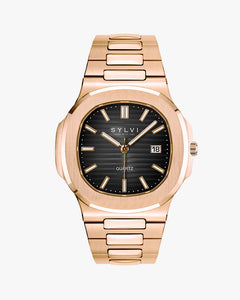
Urbane Rosegold Black
Rs. 2,599.00

Professional Edge White Rosegold
Rs. 2,199.00
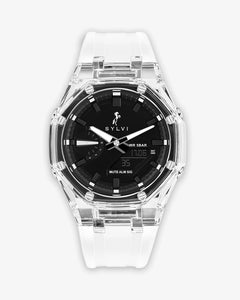
Rig One 'O One White Crystal - WT Max
Rs. 1,779.00
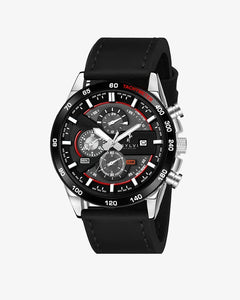
Timegrapher Black Red Leather
Rs. 1,679.00


Leave a comment