






Mechanical Watch Maintenance: Tips & Tricks for Long-Lasting Precision

Taking care of your mechanical watch will keep it in working shape and make it durable. Unlike a digital watch, a mechanical watch involves few moving parts and must, therefore, receive maintenance. With maintenance, your watch will have its accuracy for many years to come.
This guide covers simple steps for caring for mechanical watches. We’ll discuss how to wind and set your watch, and how to store it safely. Following these easy tips will help your watch stay in great shape.
Let’s start by getting a clear understanding of what mechanical watches are before we talk about how to take care of them. Proper care helps your watch keep the right time and ensures it stays in good working condition for years.
Understand Mechanical Watches

A mechanical watch is a type of timepiece that works with a complex mechanism of springs and gears to divide time. Unlike battery-powered watches, mechanical watches work with motion. There are two general types: manual and automatic.
- Manual Watches: These need to be wound by hand every day to keep running.
- Automatic Watches: These wind themselves as long as you wear them, thanks to the movement of your wrist.
The key to a mechanical watch is its complex inner mechanism. Unlike batteries, these watches require no batteries, but proper maintenance must be performed regularly for them to tick accurately.
Difference Between Manual and Automatic Mechanical Watches
Mechanical watches have two types: manual and automatic. There are no batteries in both and both work with gears and springs and mark time.
Manual watches have to be wound daily, most times, in a move to keep them in operational form. That entails winding the mainspring with a winding of the crown, storing its energy for use in driving the watch. For many, it is part of the beauty of an owner having a mechanical watch, and many appreciate winding them regularly.
Automatic watches wind themselves with a rotor in them, which rotates when one is wearing a watch. That keeps mainspring tensioned but doesn’t involve winding it yourself. However, when one doesn’t wear a watch for a long period, one will have to wind it yourself or use a winder for watches in order to maintain its working state.
Even though both function in a different manner, both require routine maintenance, proper storing, and intermittent servicing in order to remain correct and function for years.
Important to Maintain your Mechanical Watch

Keeping your mechanical watch in good condition is very important because it allows you to use it properly and precisely. Mechanical watches are equipped with mini- and micro-sizes gears, springs, and other parts so they can function well.
The old parts always dry out and sometimes may be broken if not regularly cleaned. Nevertheless, when you service it, it will still be in good condition and work properly.
Giving the correct care and handling is another way that can also help reduce the risk of getting hurt from everyday activities, and this will allow you to see your watch like new for many years.
At the same time, by being careful in looking after your watch, you can prolong the life of its battery, which means you would own it for a longer time. To put it briefly, preservation is what keeps your watch running at full capacity and makes your investment safer.
Common Issues Faced by Mechanical Watch
Mechanical watches can develop issues over time. Here are some common problems and how to fix them:
- Running Too Fast or Slow – This could be due to magnetization or low power. Try demagnetizing or winding it fully.
- Watch Stopping Suddenly – Might need winding or cleaning. If it still stops, get it checked.
- Crown Not Working Properly – If it’s hard to turn, don’t force it. A watchmaker can fix it.
- Moisture Inside the Watch – Water can damage the movement. Get it dried and serviced quickly.
- Strange Noises or Loose Parts – If you hear rattling, stop wearing it and get it checked.
Regular care and servicing will keep your mechanical watch running smoothly for years!
Daily Care and Handling of Your Mechanical Watches
To keep your mechanical watch working well for years, it’s important to follow simple daily care routines. These habits will help maintain its beauty and protect its delicate parts.
How to Clean Your Watch at Home
Regular cleaning keeps your watch looking new and running smoothly. Use a soft, dry cloth to wipe away dust and fingerprints. For a deeper clean, gently brush the strap or bracelet with a soft brush, but avoid water unless your watch is water-resistant.
Keep Your Watch Away from Water and Extreme Temperatures
Water can damage the inner parts of your watch, so it’s best to keep it dry. Even if your watch is water-resistant, avoid unnecessary exposure to water.
Temperature changes can also affect your watch. Heat can make parts expand, while cold can make them contract, leading to timekeeping issues. Try to keep your watch in a stable environment.
Best Way to Store Your Watch
When not wearing your watch, store it in a dry, cool place. A watch box or case will protect it from dust and scratches.
If you have an automatic watch, a watch winder can help keep it running by mimicking wrist movement, ensuring it stays accurate even when not worn.
By following these simple steps, you can keep your mechanical watch in great condition for years to come!
Protect It from Extreme Temperatures
Sudden temperature changes can cause the metal parts inside the watch to expand or contract, affecting its accuracy. Keep your watch away from direct sunlight, saunas, or extreme cold.
Avoid Magnetic Fields
Strong magnets from electronic devices, speakers, or MRI machines can affect the accuracy of your watch. Store your watch away from such sources to prevent magnetization.
Winding and Setting Your Mechanical Watch
Properly winding and setting your mechanical watch is key to keeping it accurate and running smoothly. Here’s how to do it correctly:
How to Wind Your Watch
- Manual Watches – Turn the crown clockwise slowly until you feel slight resistance. Avoid overwinding, as it can damage the movement.
- Automatic Watches – If not worn for a while, give it a few gentle turns to start the movement. Wearing it regularly keeps it wound.
How to Set the Time
- Pull the crown gently to the time-setting position.
- Turn it slowly forward (clockwise) to set the correct time. Avoid setting it backwards, as it can affect the movement.
- Push the crown back to its original position to seal it properly.
Extra Tips for Smooth Operation
- Wind your watch at the same time every day for consistency.
- Never set the date between 9 PM and 3 AM, as this can interfere with the date-change mechanism.
- Keep your watch away from strong magnets, as they can affect accuracy.
With proper winding and careful handling, your mechanical watch will stay precise and last for years!
Final Thoughts
A well-maintained mechanical watch can last a lifetime, combining craftsmanship with timeless style. Whether you prefer manual or automatic movement, taking care of your watch ensures it stays accurate and reliable.
If you're looking for a stylish and durable automatic mechanical watch, explore Sylvi’s collection. Designed for precision and elegance, our watches blend classic artistry with modern performance—perfect for everyday wear or special occasions. Discover the perfect timepiece at Sylvi today!
Recommended Topics
Latest Watches

Vanguard Black Silver Silicone
Rs. 1,689.00

Sia White Rosegold Steel
Rs. 2,329.00

Vanguard Black Rosegold Silicone
Rs. 1,689.00
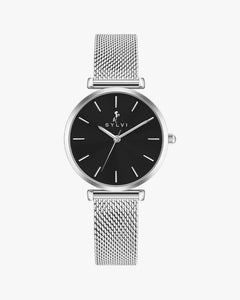
Serene Black Silver Mesh
Rs. 1,699.00


Leave a comment